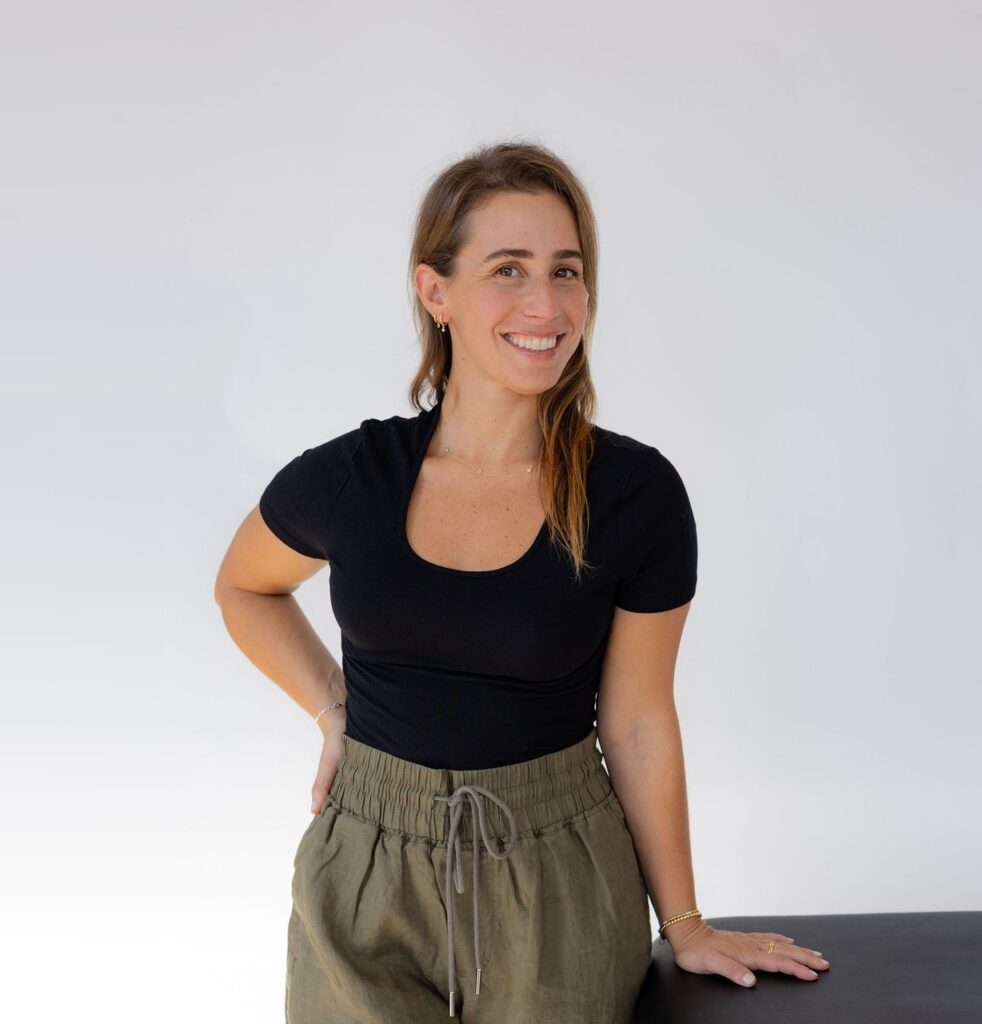
Aleena Kanner guiding a client lying on a treatment table in a sunny loft with tall windows

ATC & PRT Certified Athletic Trainer

Pain isn’t normal. Let’s connect the dots.Feeling pain? Let’s connect your dots.

Pain that keeps coming back isn’t normal. Aleena Kanner, ATC, a Certified Athletic Trainer in New York who connects the dots between the nervous system, vision, teeth and jaw, breath and posture, works with athletes, desk workers and people who’ve tried everything and are still stuck. Sessions are in person in NYC and Long Beach, Long Island, or virtual.

Aleena Kanner smiling and holding a rib cage model out toward the camera

Who Aleena helps

For people who’ve tried everything

Many people find Aleena after they’ve tried everything and are still stuck. They’ve seen physical therapists, chiropractors, orthopedists, dentists and personal trainers. Each visit may help for a while. Then the same problem keeps coming back. It might be jaw trouble, a head that drifts forward at the desk, foot pain like plantar fasciitis, or breathing that never feels quite full. Some are athletes who want to get back to their sport. Others are desk workers who want to get through the day feeling more at ease in their bodies. Many simply want to feel like themselves again.

About Aleena

Aleena’s journey to practitioner

“I’ve been learning how bodies move since I was five. My path started on a gymnastics mat and ran through EMS work, Athletic Training, Olympic weightlifting and a private practice. Each step taught me something about why the body gets stuck and why pain keeps coming back. Now I connect those dots for people who feel like they’ve tried everything. Outside of work, you’ll find me hiking, at the beach or traveling.”

Featured and teaching

Why your pain keeps coming back

Pain often keeps coming back because the body works in patterns, and the sore spot is only one part of the pattern. Inside, your body isn’t symmetrical. We all tend to lean into one side without noticing. Over time, that lean shapes how you breathe, stand and move, and the same areas take the strain again and again.

The inside of your body isn’t the same on both sides. Because of that, your body naturally favors one side, and that’s normal. Trouble can start when the lean turns into a habit your body can’t easily shift out of. A pattern forms. It can show up in how you breathe, stand, walk or even hold your jaw. When care only goes to the sore spot, the pattern stays, and the pain often comes back.

Aleena looks for the pattern behind the pain, head to toe, through all five lenses. Her work draws on Quantum Neurology, Neuro-Emotional Technique (NET) and Postural Restoration. Each method gives her another way to see how the pieces connect.

Line drawing: The spine in side view with a plumb line
The spine in side view with a plumb line

Your body has five lenses

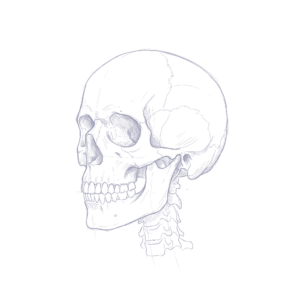
Aleena sees one body through five lenses: the nervous system, vision, teeth and jaw, breath and posture. No single system explains everything, so she looks at how each one affects the others, head to toe. Assessment and education come first, so you understand your own pattern before any plan begins.

Nervous system

How does the nervous system affect posture and pain?

Your nervous system is always reading signals from your body and the world around you. It helps decide how much tension to hold, how to balance and how safe you feel when you move. Aleena looks at how your nervous system responds, because it shapes how the other four lenses work together.

Explore this lens: Nervous system
Vision

Can your eyes affect your posture?

Yes, they can play a part. Your eyes help tell your brain where you are in space. If your vision pulls you toward one side or forward, your head, neck and body may shift to follow. That’s one reason a head that drifts forward at the desk isn’t always just a neck issue. Aleena works alongside optometrists and looks at how what you see affects how you stand and move.

Explore this lens: Vision

Teeth and jaw

Can jaw problems cause neck and posture issues?

The jaw sits close to the neck and head, so they often work as a team. How your teeth meet and how your jaw rests can influence head position, neck tension and even breathing. Jaw trouble may also show up alongside problems elsewhere in the body. Aleena works with dentists and orthodontists, and she looks at how your bite and jaw fit into your whole pattern.

Explore this lens: Teeth and jaw

Breath

How does breathing affect posture?

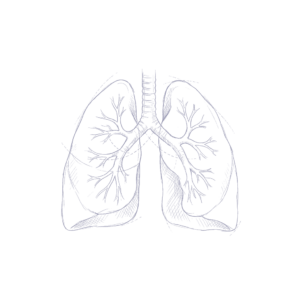
Breathing and posture are closely linked. The diaphragm is your main breathing muscle, and the way you breathe can shape how you stand, sit and move. When breathing feels shallow, posture may shift around it. Some people notice breathing that never feels quite full. Aleena looks at how you breathe, because breath connects to every other lens, from your jaw to the way you stand.

Explore this lens: Breath

Posture

Why does my posture keep going back to the same position?

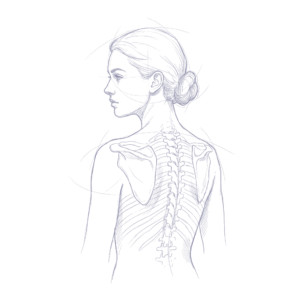
Your posture reflects your whole body. It shows how your nervous system, vision, teeth and jaw, and breath work together. If one of those keeps pulling you into the same pattern, posture tends to follow, even after stretching or strengthening. That can show up as a forward head or foot pain like plantar fasciitis. Aleena works with podiatrists and looks at posture from head to toe.

Explore this lens: Posture

What to expect at your first assessment

Your first session with Aleena moves at a calm, unhurried pace. She takes time to listen, look at the whole picture and explain what she finds. You’ll leave knowing more about your own pattern and what may come next.

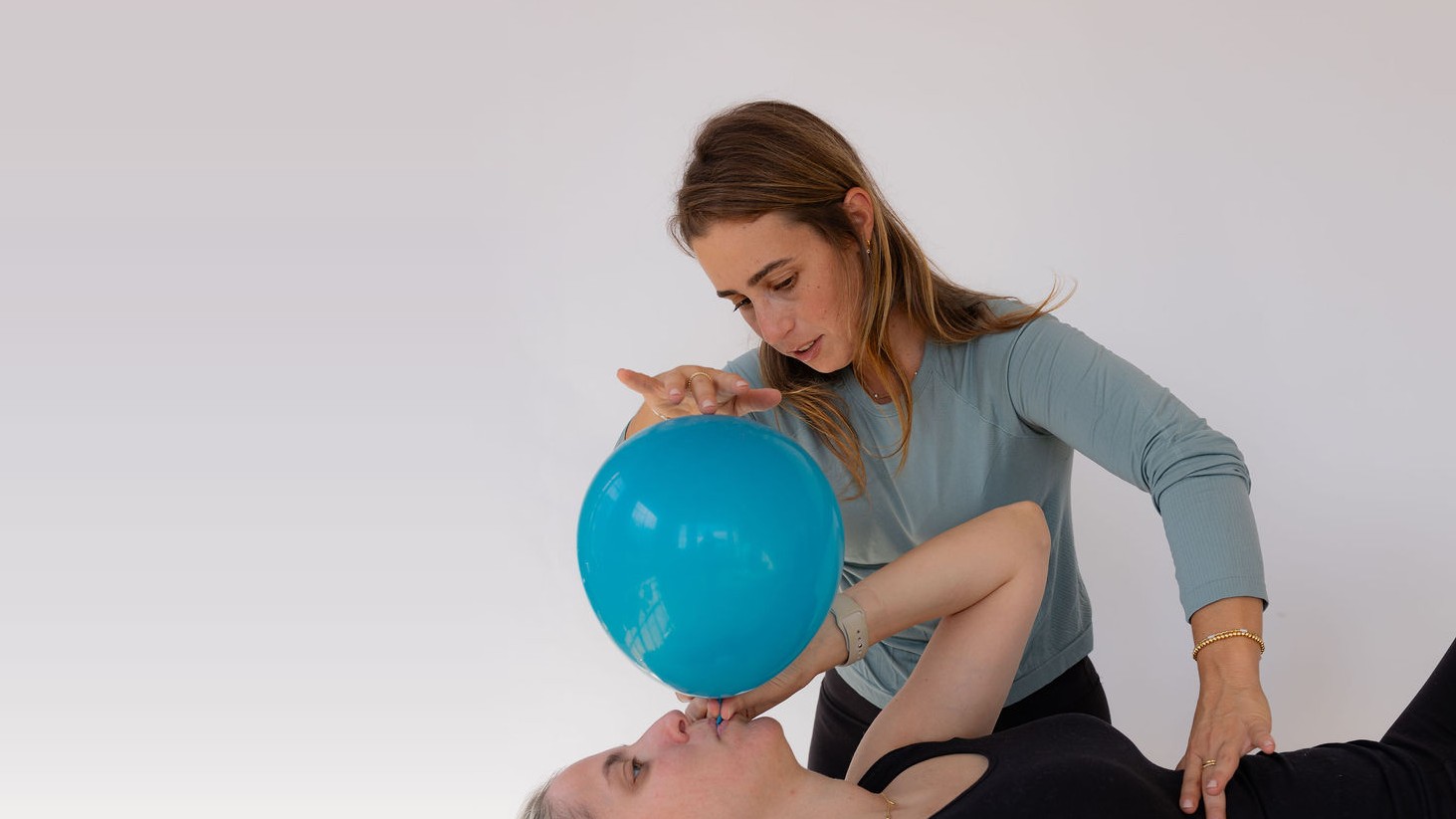
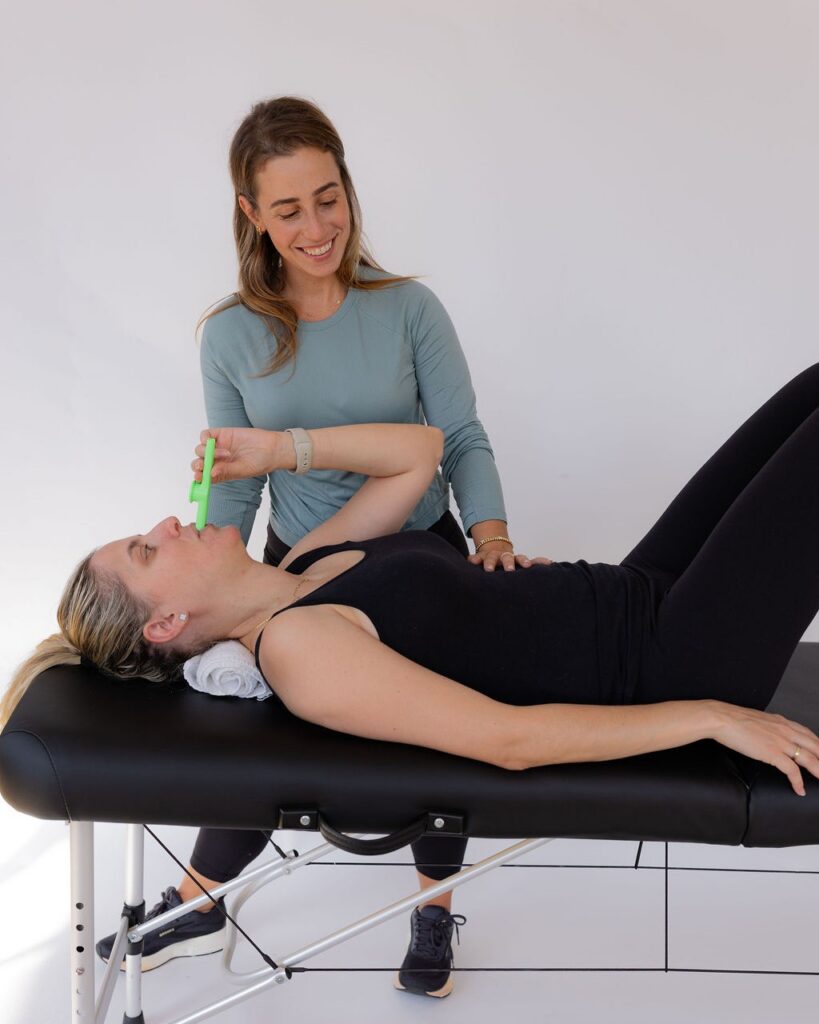
Aleena Kanner using a breathing mouthpiece with a client lying on a treatment table
  1. Step 1

    Your story and history

    Aleena starts with a conversation. She asks about your goals, past injuries, the providers you’ve already seen and what keeps coming back. Long conversations are one of her favorite parts of the work, so you won’t feel rushed.

  2. Step 2

    A whole-body assessment

    Next, she looks at how you stand, move and breathe. She also considers your vision, teeth and jaw, and how your nervous system responds. The goal is to see how the five lenses connect in your body.

  3. Step 3

    Learning your pattern

    Aleena explains what she found in clear, simple language. Education comes first, so you understand your own pattern and why the same problem may keep coming back. You’re welcome to ask as many questions as you like.

  4. Step 4

    A plan that fits you

    Together, you’ll talk through next steps. When it helps, Aleena may suggest working with providers she works alongside, such as dentists, orthodontists, optometrists, podiatrists or functional medicine doctors. Every plan is built around your goals.

Aleena sees clients in person in New York City and Long Beach, Long Island, and virtually from wherever you are. Virtual sessions follow the same steps, with time to talk, assess and learn. Choose the format that fits your life and schedule.

What Aleena’s clients love about her

5.0 Google, 46 reviews

Research, teaching and press

Aleena shares what she learns with other clinicians, students and the public. Her work has reached optometry conferences, university classrooms and the press. Each one reflects the same idea: the body works as one connected system.

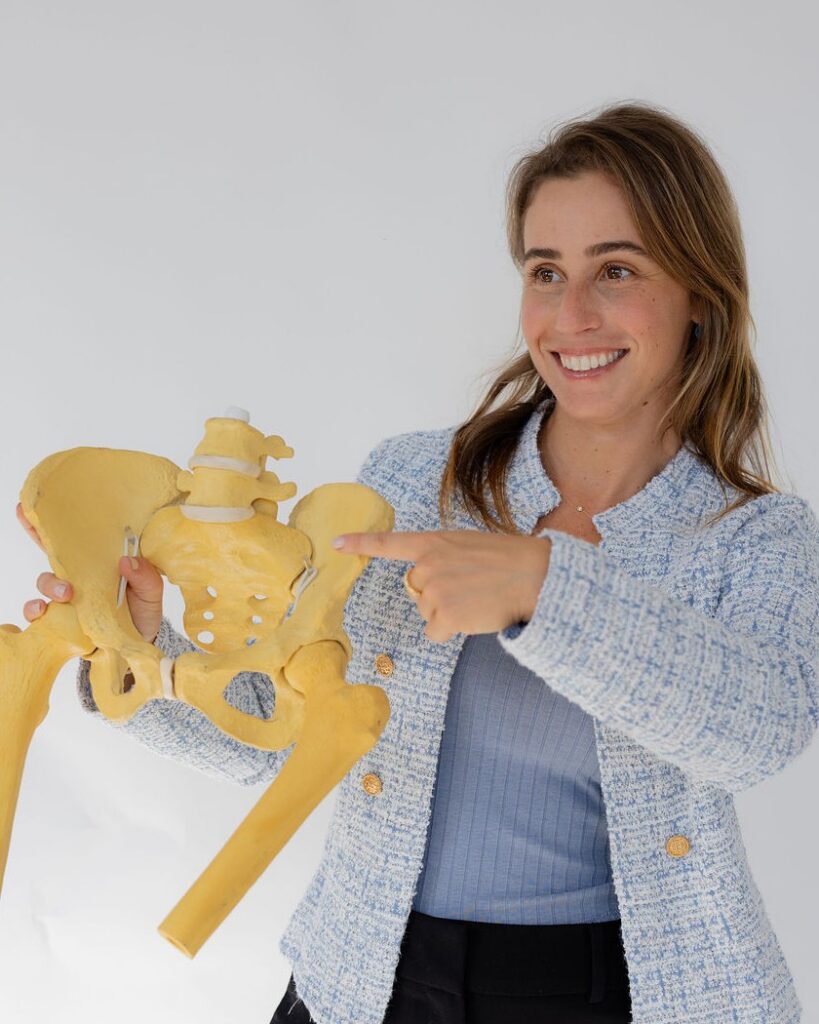
Aleena Kanner in a tweed blazer holding a pelvis model and smiling

Aleena’s monthly membership

RootedWell: learn with Aleena every month

RootedWell brings Aleena’s connected view of the body into one place. Inside, you’ll find live Q&A, expert lectures, a full recording library, new breathing techniques each month and a provider network. You can learn at your own pace and come back to topics whenever you need them. Each part is built to help you understand how breath, posture and the whole body work together, so you can keep learning over time with steady, clear guidance.

  • A live Q&A with Aleena every month
  • Expert lectures to keep you learning
  • A full recording library to watch anytime
  • A provider network you can turn to
  • New breathing techniques each month

$40a month

Cancel anytime. No contracts. No refunds.

Join RootedWell

RootedWell does not include a 1:1 assessment. To work with Aleena one on one, book an assessment separately.

E-books to learn at your own pace

Aleena’s e-books take the ideas she shares in sessions and put them in clear, simple language. You can read about forward head posture, TMJ, dental health, vision, breathing, body asymmetry and plantar fasciitis. Parents can also pick up her toddler shoe list. If you’re curious about mouth tape, start with her free guide. It’s a gentle first read before you go deeper.

Aleena Kanner's hand holding a Pulsetto device against her neck

Vagus nerve stimulation

“I don’t use tools because they’re trendy. I use them because they work.

Pulsetto is one of the tools I use personally and clinically to help calm nervous systems stuck in chronic stress and sympathetic overdrive.”

Aleena Kanner, ATC, PRT
Explore Pulsetto

Use code aleena for an extra 15% off

Questions people ask

Why does my pain keep coming back?

Often, it’s because only the sore spot gets attention. Your body isn’t symmetrical inside, and over time you lean into one side. That lean builds a pattern in your breath, posture and movement. If the pattern stays, the pain tends to return. Aleena looks at all five lenses, head to toe, to see how the pieces connect.

Who does Aleena help?

Aleena helps people who feel they’ve tried everything and are still stuck. Many have seen physical therapists, chiropractors, orthopedists, dentists or trainers, and the problem keeps coming back. She works with athletes, desk workers and anyone who wants to feel like themselves again. Sessions are in person in New York City and Long Beach, Long Island, or virtual.

What happens during an assessment?

Aleena starts by looking at your whole body, head to toe, through five lenses: nervous system, vision, teeth and jaw, breath and posture. She notices how each one affects the others. Then she explains what she sees in plain language, so you understand your own pattern before any plan begins.

Can I see Aleena in person or virtually?

Yes, both. Aleena offers sessions in person in New York City and Long Beach, Long Island, and virtual sessions online. Virtual sessions follow the same approach, with the same focus on assessment and education first. You can choose the format that fits your schedule and where you live.

Where is Aleena’s practice in New York?

Aleena’s integrated practice is in New York City and Long Beach, Long Island. In-person sessions take place there, and virtual sessions are available if travel is hard for you. She has run her own practice in New York since 2022, after first opening a private practice in the city in 2016.

Does Aleena work with dentists and optometrists?

Aleena works alongside dentists, orthodontists, optometrists, podiatrists and functional medicine doctors. Teeth, jaw and vision can all affect posture and breath, so these providers often see part of the same pattern. She has co-authored posters for COVD and presented at OVDRA and OEPF. When it helps, your plan can include the right mix of providers working together.

Is Aleena a physical therapist?

No. Aleena is a Certified Athletic Trainer (ATC) with a Master’s in Athletic Training from the University of Arkansas and the PRT credential. Her background spans gymnastics, EMS, elite track and field and Olympic weightlifting. She works alongside dentists, orthodontists, optometrists, podiatrists and functional medicine doctors in New York.

How do I get started with Aleena?

Start by booking an assessment, in person in New York City and Long Beach, Long Island, or virtually. Your first assessment helps you understand your own pattern before any plan begins. If you’d like to learn first, you can read her free guide, explore her e-books or join RootedWell.

Start with a clear look at your pattern

Pain that keeps coming back isn’t normal. Book an assessment with Aleena, in person in New York City and Long Beach, Long Island, or virtually, and start seeing how the dots connect.